welcome to visit liuzhou bai transformer limited company, service hotline+8613768899143



Contact Us
E-mail:liuzhouboan@163.com
Phone/WeChat:13768899143
Address:Baian Transformer Co., Ltd., Liujiang District, Liuzhou City, Guangxi Zhuang Autonomous Region (209 National Highway)
Product Center

110KV series power transformer
The 110KV power transformer is used in power plants, substations, and large industrial enterprises. It features low losses, low temperature rise, low noise, low partial discharge, and strong short-circuit resistance, thereby saving a significant amount of energy loss and operating costs.
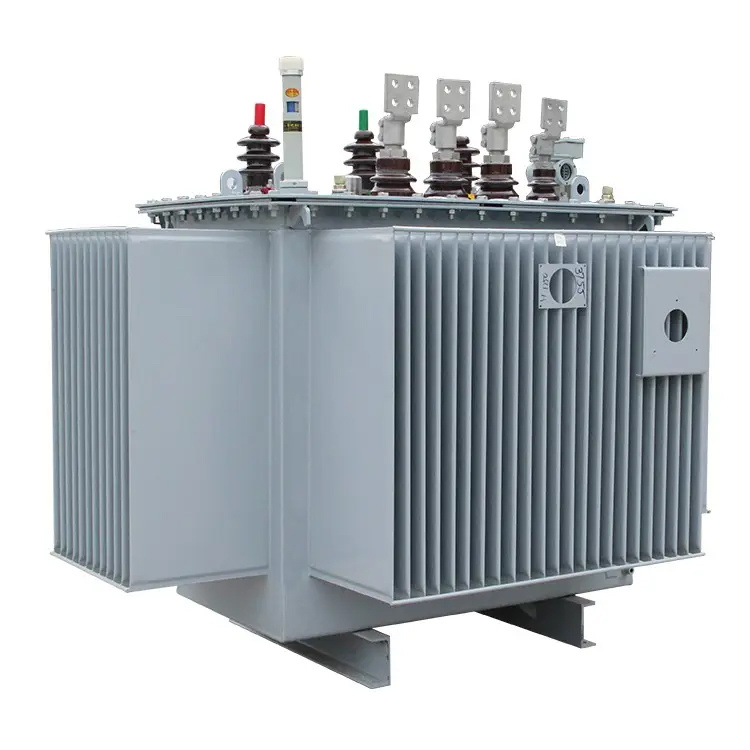
S11 Oil-Immersed Transformer Series
The main difference between oil-immersed transformers and dry-type transformers is whether there is "oil" or not. Since oil is a liquid and has fluidity, oil-immersed transformers must have a shell, with hydraulic oil inside the casing. The electromagnetic coils of the transformer are immersed in the oil, making the coils invisible from the outside.
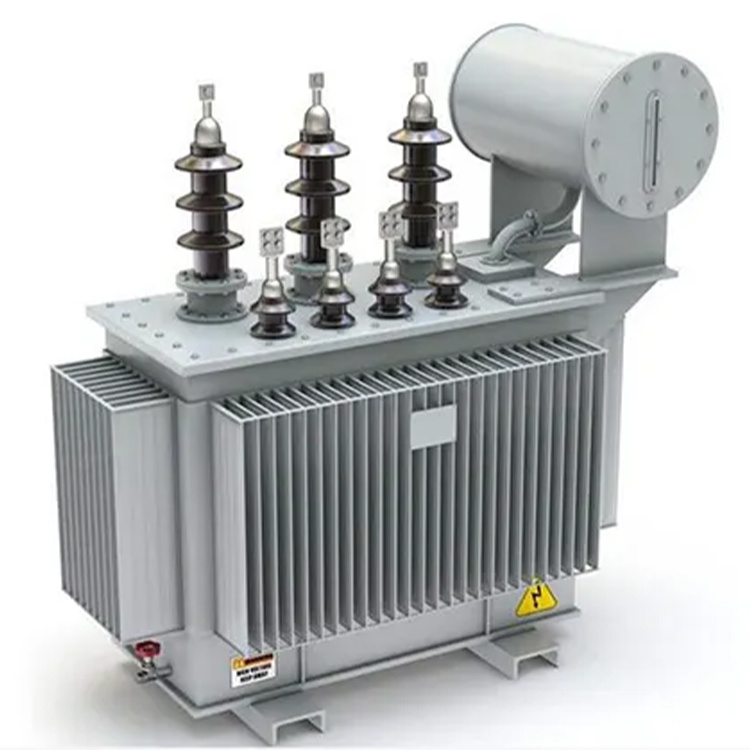
35KV oil-immersed transformer/oil-immersed transformer/transformer
The main difference between oil-immersed transformers and dry-type transformers is whether there is "oil" or not. Since oil is a liquid and has fluidity, oil-immersed transformers must have a shell, with hydraulic oil inside the casing. The electromagnetic coils of the transformer are immersed in the oil, making the coils invisible from the outside.
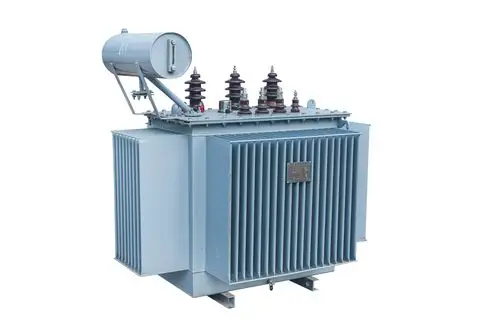
The main difference between oil-immersed transformers and dry-type transformers is whether there is "oil" or not. Since oil is a liquid and has fluidity, oil-immersed transformers must have a shell, with aviation hydraulic oil inside the casing, and the electromagnetic coils of the transformer are immersed in the oil, making the coils invisible from the outside. In contrast, dry-type transformers do not have oil and do not require a casing, allowing the electromagnetic coils of the transformer to be seen directly.
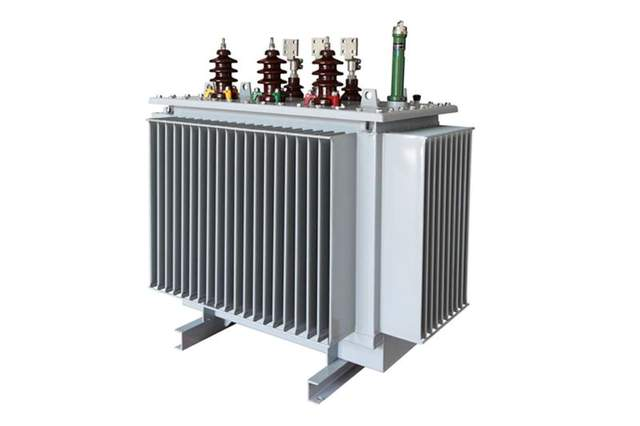
The main difference between oil-immersed transformers and dry-type transformers is whether there is "oil" or not. Since oil is a liquid and has fluidity, oil-immersed transformers must have a shell, with aviation hydraulic oil inside the casing, and the electromagnetic coils of the transformer are immersed in the oil, making the coils invisible from the outside. In contrast, dry-type transformers do not have oil and do not require a casing, allowing the electromagnetic coils of the transformer to be seen directly.
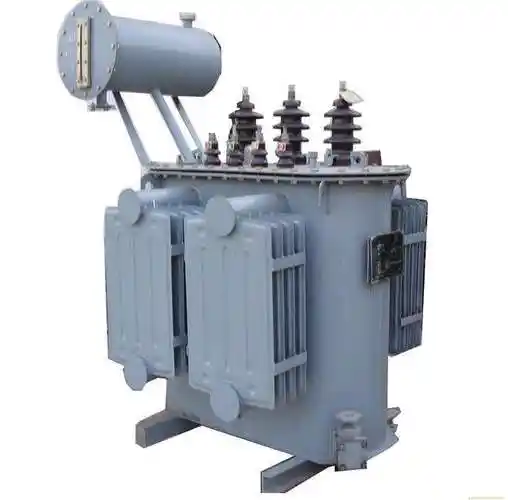
The main difference between oil-immersed transformers and dry-type transformers is whether there is "oil" or not. Since oil is a liquid and has fluidity, oil-immersed transformers must have a shell, with aviation hydraulic oil inside the casing, and the electromagnetic coils of the transformer are immersed in the oil, making the coils invisible from the outside. In contrast, dry-type transformers do not have oil and do not require a casing, allowing the electromagnetic coils of the transformer to be seen directly.
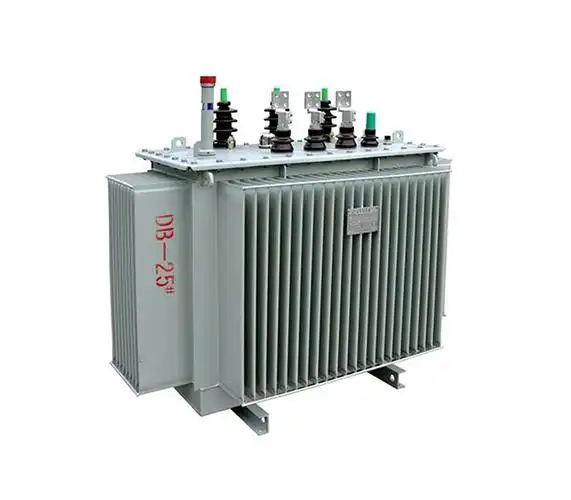
The main difference between oil-immersed transformers and dry-type transformers is whether there is "oil" or not. Since oil is a liquid and has fluidity, oil-immersed transformers must have a shell, with aviation hydraulic oil inside the casing, and the electromagnetic coils of the transformer are immersed in the oil, making the coils invisible from the outside. In contrast, dry-type transformers do not have oil and do not require a casing, allowing the electromagnetic coils of the transformer to be seen directly.
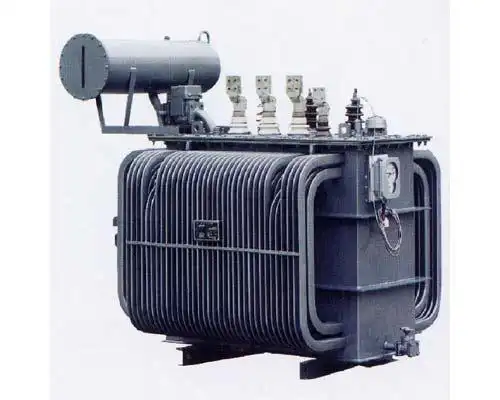
The main difference between oil-immersed transformers and dry-type transformers is whether there is "oil" or not. Since oil is a liquid and has fluidity, oil-immersed transformers must have a shell, with aviation hydraulic oil inside the casing, and the electromagnetic coils of the transformer are immersed in the oil, making the coils invisible from the outside. In contrast, dry-type transformers do not have oil and do not require a casing, allowing the electromagnetic coils of the transformer to be seen directly.
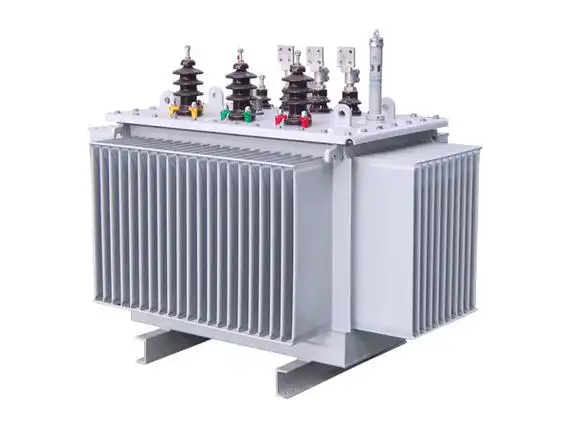
The main difference between oil-immersed transformers and dry-type transformers is whether there is "oil" or not. Since oil is a liquid and has fluidity, oil-immersed transformers must have a shell, with aviation hydraulic oil inside the casing, and the electromagnetic coils of the transformer are immersed in the oil, making the coils invisible from the outside. In contrast, dry-type transformers do not have oil and do not require a casing, allowing the electromagnetic coils of the transformer to be seen directly.
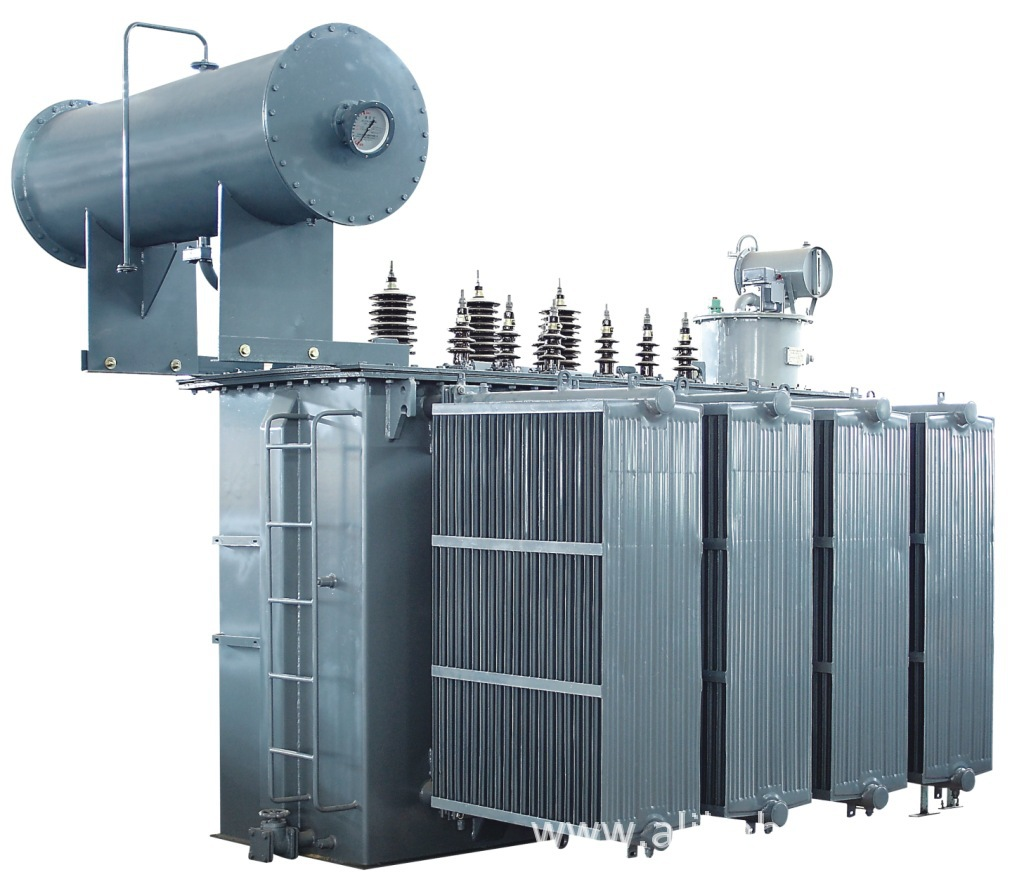
The main difference between oil-immersed transformers and dry-type transformers is whether there is "oil" or not. Since oil is a liquid and has fluidity, oil-immersed transformers must have a shell, with aviation hydraulic oil inside the casing, and the electromagnetic coils of the transformer are immersed in the oil, making the coils invisible from the outside. In contrast, dry-type transformers do not have oil and do not require a casing, allowing the electromagnetic coils of the transformer to be seen directly.
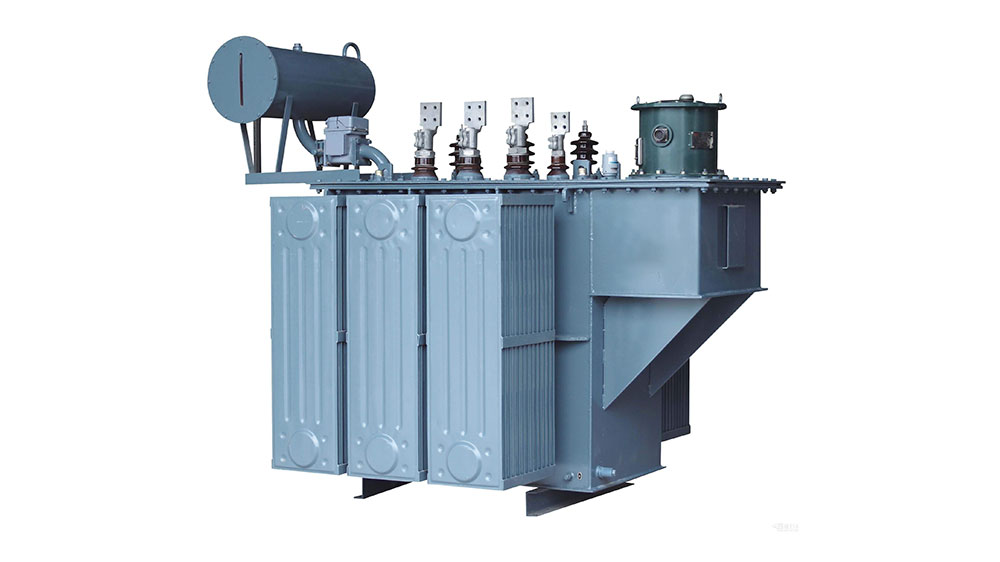
The main difference between oil-immersed transformers and dry-type transformers is whether there is "oil" or not. Since oil is a liquid and has fluidity, oil-immersed transformers must have a shell, with aviation hydraulic oil inside the casing, and the electromagnetic coils of the transformer are immersed in the oil, making the coils invisible from the outside. In contrast, dry-type transformers do not have oil and do not require a casing, allowing the electromagnetic coils of the transformer to be seen directly.

The main difference between oil-immersed transformers and dry-type transformers is whether there is "oil" or not. Since oil is a liquid and has fluidity, oil-immersed transformers must have a shell, with aviation hydraulic oil inside the casing, and the electromagnetic coils of the transformer are immersed in the oil, making the coils invisible from the outside. In contrast, dry-type transformers do not have oil and do not require a casing, allowing the electromagnetic coils of the transformer to be seen directly.



Message consultation
Leave us a message and we will give you a satisfactory quotation!