welcome to visit liuzhou bai transformer limited company, service hotline+8613768899143



2024-08-22
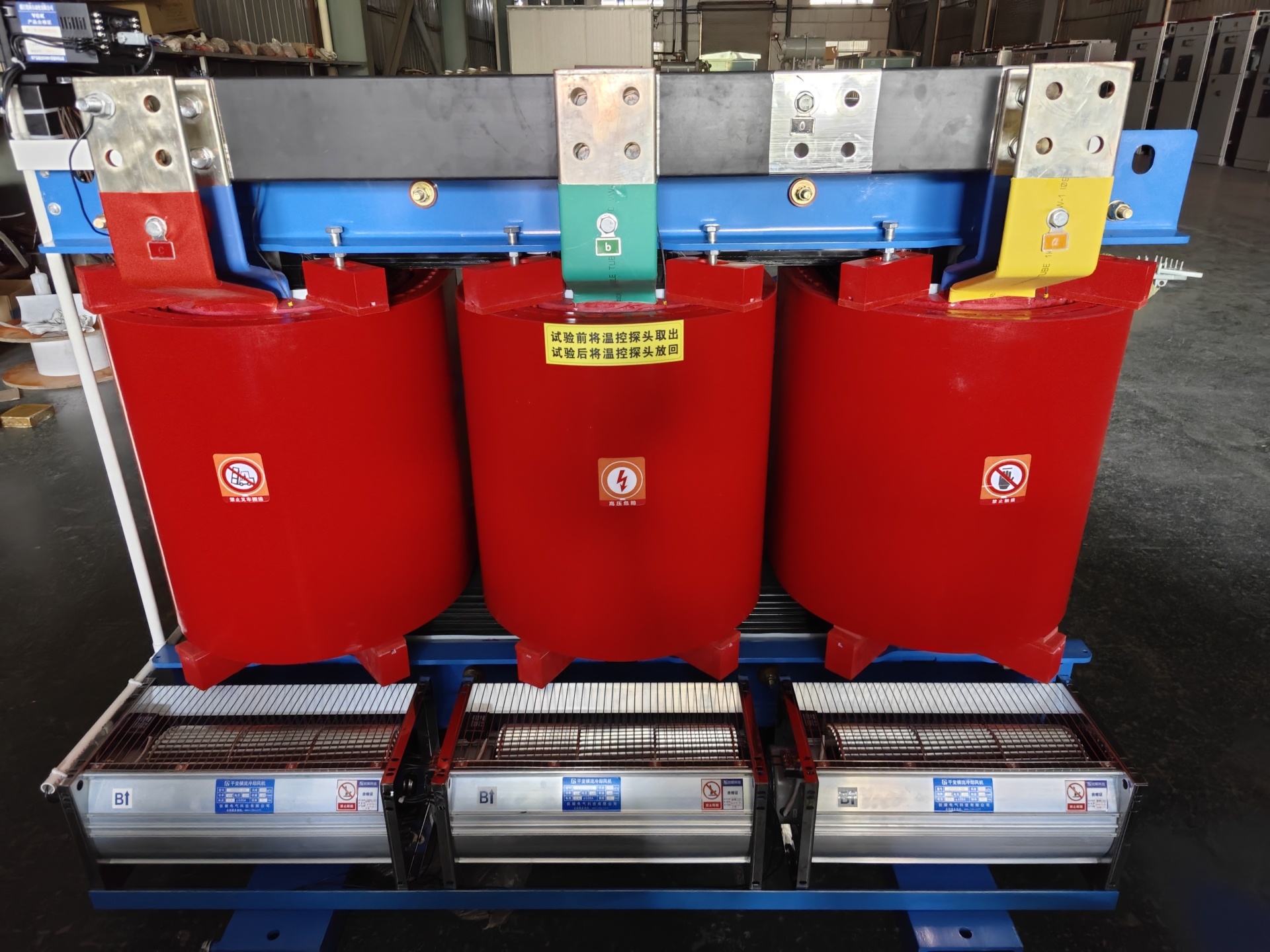
Recently, Liuzhou Baian Transformer Co., Ltd. successfully delivered a level 2 energy efficiency dry transformer model SCB14-2000/10.5 to Guangxi Jiashijia New Materials Co., Ltd. This move not only highlights the important position of Liuzhou Baian Transformer Co., Ltd. in the high-end power equipment manufacturing field but also injects strong momentum into the green development path of Guangxi Jiashijia New Materials Co., Ltd.
2024-07-23
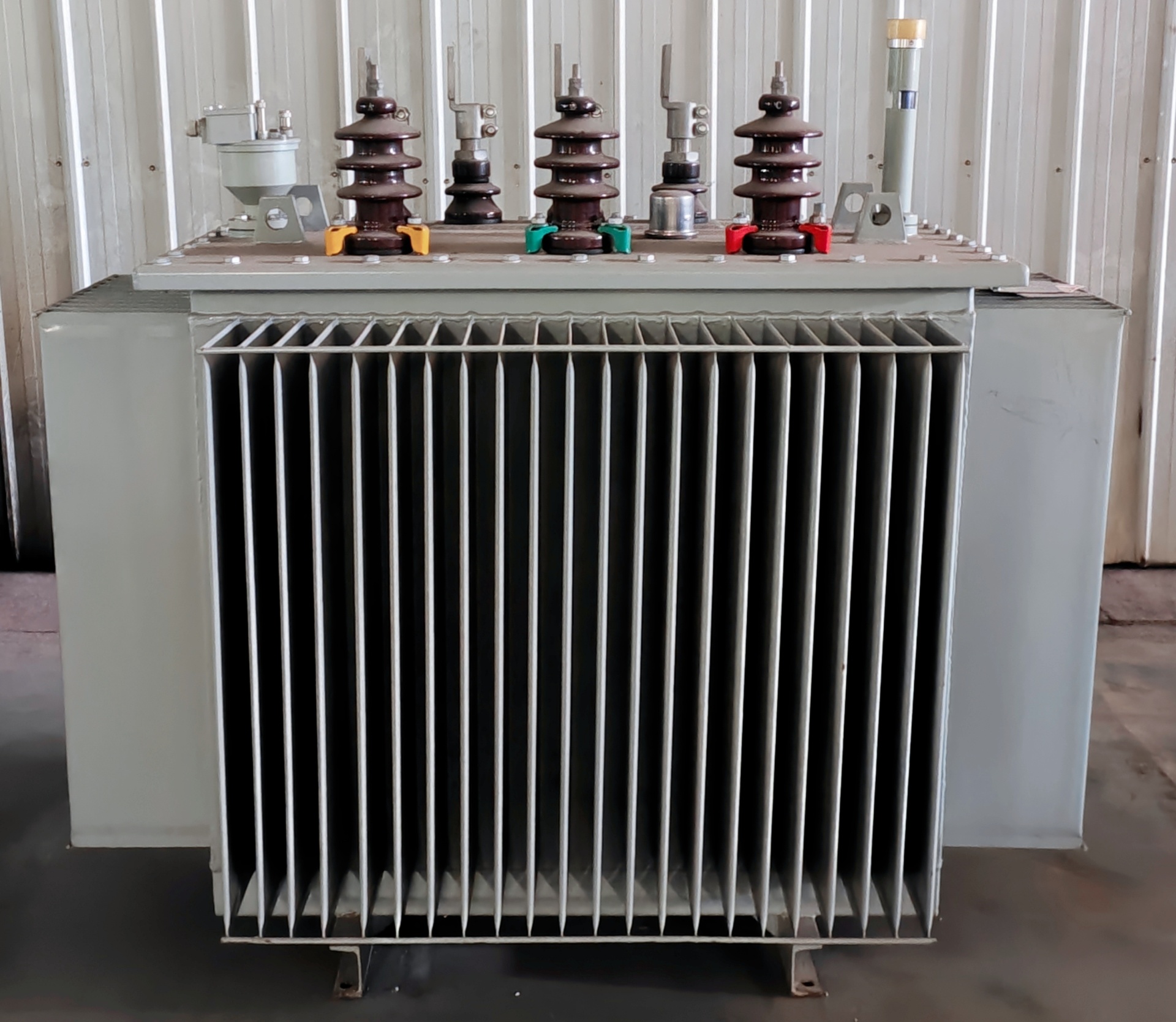
What are the dangers of the transformer oil level being too high or too low?
1. Hazards of High Oil Level Oil Leakage and Waste: When the oil level is too high, the transformer may experience oil overflow from the tank due to increased load or rising oil temperature, leading to oil waste and potential environmental pollution. Decreased Insulation Performance: A high oil level can cause oil to spill out of the tank, forming an oil mist that reduces the transformer's insulation performance and increases the risk of electrical faults. Poor Heat Dissipation: The heat dissipation effect of oil is crucial for the normal operation of the transformer. When the oil level is too high, the excessive volume of oil may hinder natural convection and circulation, affecting heat dissipation and causing an increase in transformer temperature, which can impact its lifespan and performance. Increased Internal Pressure: A high oil level may also exert pressure on internal components of the transformer, leading to internal failures such as short circuits or explosions. Safety Hazards: Transformer oil is flammable and explosive; a high oil level increases the risk of fire or explosion accidents. 2. Hazards of Low Oil Level Reduced Insulation Strength: When the oil level is too low, transformer leads or coils may be exposed to air, reducing insulation strength and increasing the risk of internal arcing or discharge. Increased Oil-Air Contact Area: A low oil level increases the contact area between oil and air, further reducing the insulation strength of the oil and potentially accelerating its oxidation and aging. False Activation of Gas Protection: A low oil level may trigger the transformer's gas protection device, leading to false activation and affecting normal operation. Insulation Breakdown: In cases of severe oil deficiency, the transformer core and windings may be completely exposed to air, making them susceptible to moisture and reducing insulation capability, potentially causing insulation breakdown and transformer damage. Impact on System Stability: A low oil level may also affect the stability of the power system, as the normal operation of the transformer is crucial for maintaining voltage and current balance in the system. In summary, both high and low oil levels can severely impact the normal operation and safety of transformers. Therefore, regular checks on oil levels should be conducted during daily maintenance to keep them within a normal range (typically between 1/3 to 1/4 on the gauge) to ensure safe and stable operation.
2024-07-22
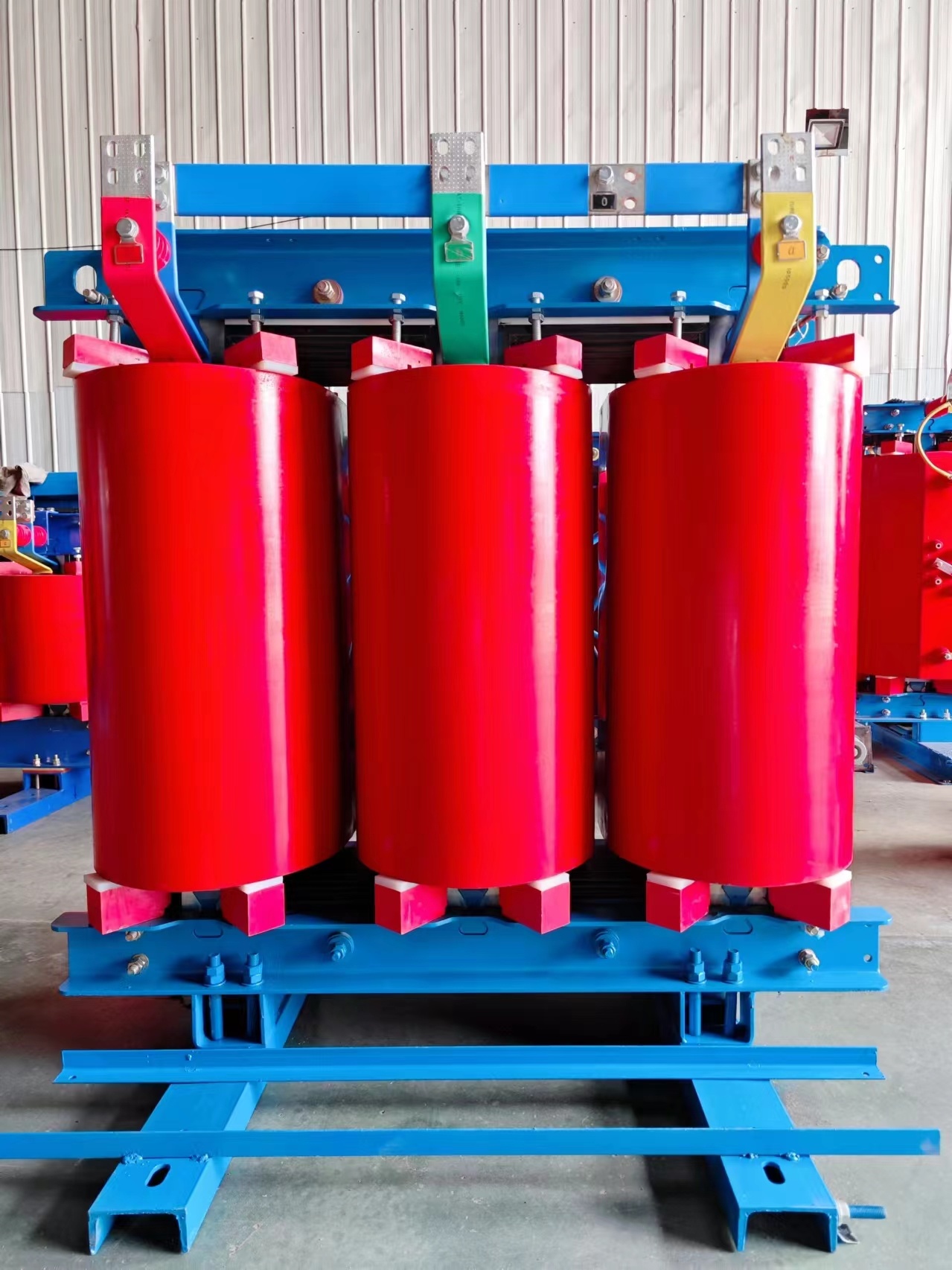
Common issues with dry-type transformers
Common issues with dry-type transformers include excessive noise, high temperature, fire, oil leakage, excessive temperature rise, insulation aging, dust or foreign objects entering the transformer, decreased insulation resistance, multiple grounding of the core, and tripping faults.
2024-06-19
Safety protection tips for transformers during and after heavy rain.
During this period, the country has generally experienced high temperatures and heavy rainfall, with widespread heavy storms. The impact of such stormy weather on electrical equipment is significant, especially concerning the water accumulation during and after the storms, which can be electrified. If someone touches this electricity, they could be electrocuted, leading to serious situations. What should be done during the storms and regarding the water accumulation afterward? Here are some relevant measures and methods for everyone's reference.
2022-04-25
What are the special inspection items for transformers?
(1) During strong winds, check for any loose debris near the transformer that could be blown away, to prevent it from falling onto live parts, and pay attention to the movement of the leads; (2) On foggy days, check for any flashover or discharge phenomena on the bushings; (3) On snowy days, check for any accumulation of snow or ice between the transformer top cover and the bushing connection, and ensure that the oil level gauge, thermometer, and gas relay are not covered by snow; (4) After thunderstorms, check the operation of the lightning arrester counters on all sides of the transformer, and inspect the bushings for any damage, cracks, or discharge marks. (5) During sudden temperature changes, check for changes in oil level and oil temperature.
RELATED INFORMATION

Contact Us
E-mail:liuzhouboan@163.com
Phone/WeChat:13768899143
Address:Baian Transformer Co., Ltd., Liujiang District, Liuzhou City, Guangxi Zhuang Autonomous Region (209 National Highway)



Message consultation
Leave us a message and we will give you a satisfactory quotation!